The methodology we follow
Today, research into psychedelic-assisted therapy is advancing through rigorous clinical trials, led largely by the United States and Australia.
In the U.S., clinical trials proceed under FDA review, and examples such as esketamine have reached approval. In Australia, since July 2023, psychiatrists who meet the requirements have been permitted to prescribe these substances for treatment under a framework set by the national regulator (the TGA).
Behind these developments are treatment protocols established over many years by U.S. nonprofit research organizations such as MAPS, protocols that today are widely referenced as the de facto world standard.
Some of the core principles shared across this field include the following.
- Thorough preparation: Building trust and the right mindset (set) in the preparation session before the experience.
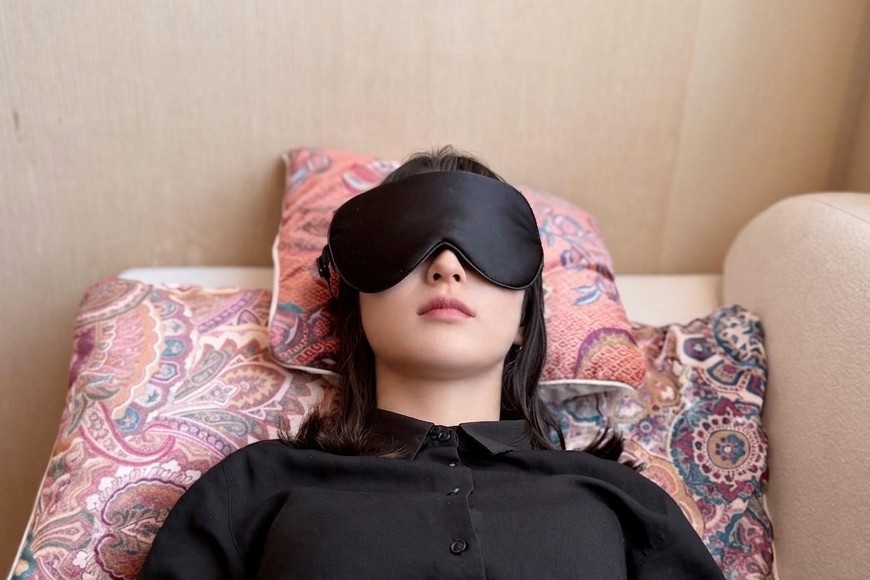
- A safe, calm environment: Holding the experience in a quiet space (setting) shaped with care for its atmosphere.
- Presence and support: The clinician does not steer the content of the experience, but simply receives whatever arises from the person. When anxiety intensifies, they offer gentle support as needed.
- Music as support: Using a music program designed first to ease tension, then to support the surfacing of deeper emotion and memory.
- An emphasis on integration: Doing the work, over multiple sessions after the experience, of reconnecting it to everyday language and daily life.
We build these principles into the medical framework of our ketamine-assisted psychotherapy.