Meet the Doctor
Meet the physician who leads ketamine-assisted psychotherapy at our clinic: background, credentials, and how we think about care.
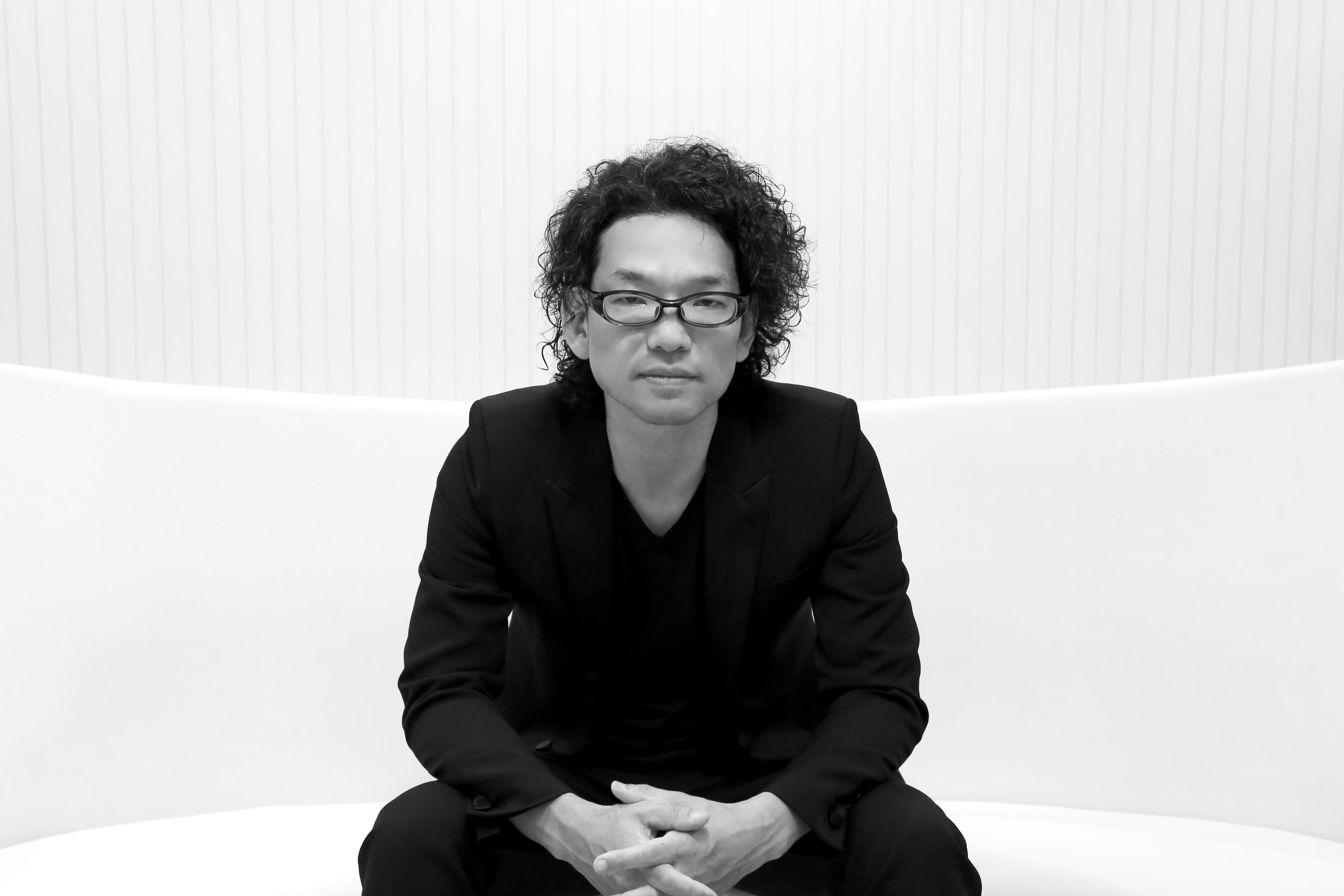
Norihide Ensako
HIKARI CLINIC Director / Psychiatrist
- Credentials
- Designated Mental Health Physician / Board-certified psychiatrist (Japanese Society of Psychiatry and Neurology)
- Specialties
- Psychotherapy · group psychotherapy · pharmacotherapy · altered states of consciousness research · psychoanalytic psychotherapy · developmental disorders
- From
- Okayama City, Okayama Prefecture
A message
Hello. I am Norihide Ensako, Director of HIKARI CLINIC.
For many years I have practiced as a specialist in psychotherapy and pharmacotherapy within contemporary psychiatry. Yet I kept asking whether I was truly reaching the root of grief and pain, for patients and for myself. I still feel that limit.
I turn to ketamine-assisted psychotherapy (KAP) and psychedelic-assisted therapy (PAT) to offer a more essential option for people who have not improved enough with prior care. It is not medication and done. Prepare, experience, and integrate into daily life. At HIKARI CLINIC we intend to offer that whole process as treatment.
Our approach to care
Much of psychiatry has focused on easing “symptoms” such as anxiety and depression. That work matters. Yet I believe recovery often turns on a deeper layer: how a person senses the world, and how they narrate themselves within it.
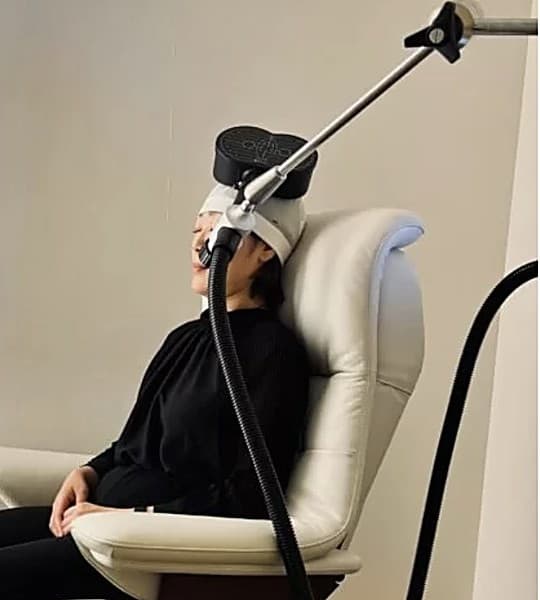
Ketamine-assisted psychotherapy can temporarily shift consciousness and gently loosen rigid patterns of thought and self-image. In a safe setting with professional support, that experience can be woven back into life afterward. Not merely suppressing symptoms, but carefully reweaving a person’s story. That is how I understand this care.
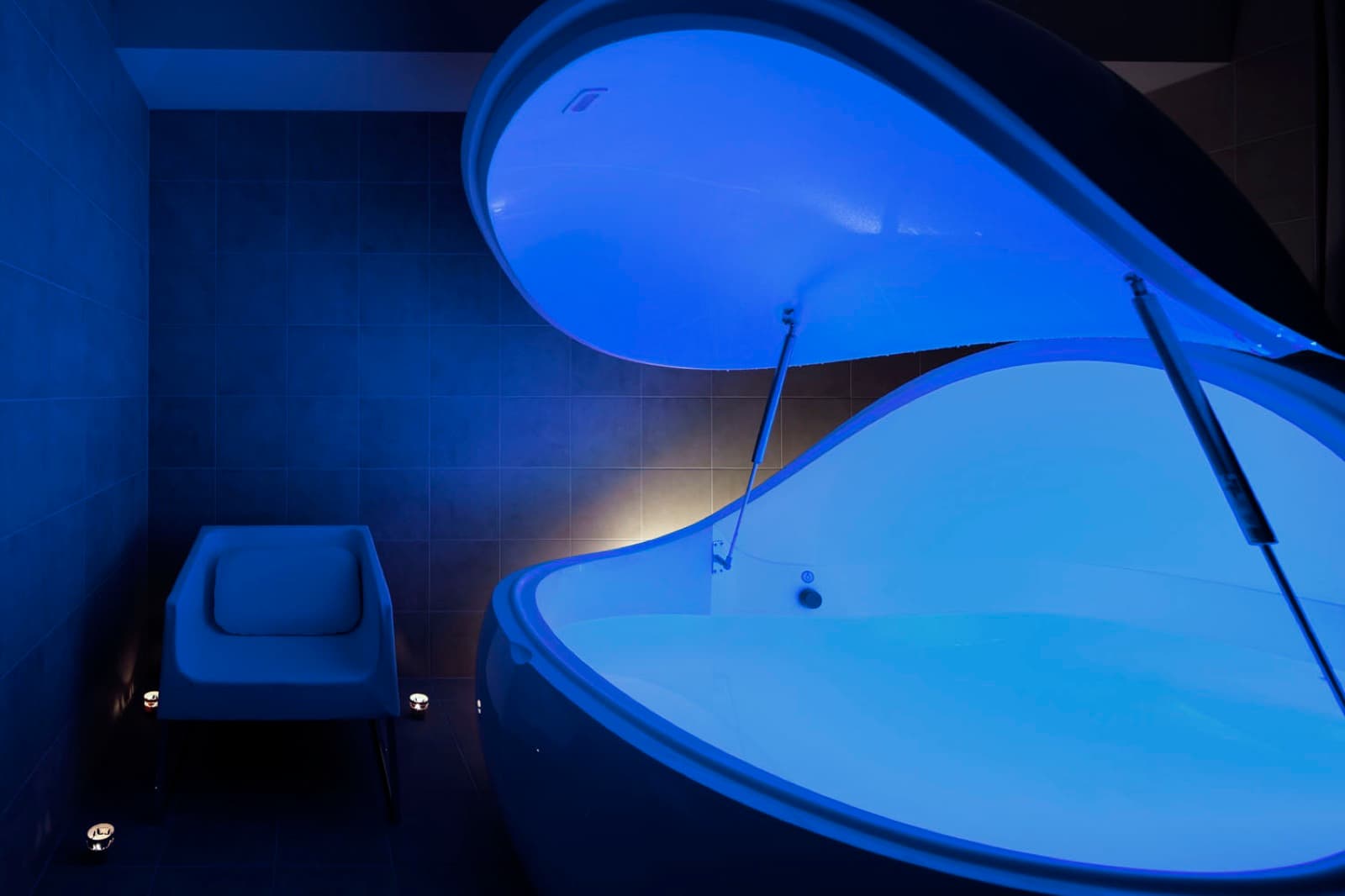
This view is grounded in my own practice. I have spent hundreds of sessions in our floating tank (a quiet, light- and sound-reduced space) to understand, in the body, how consciousness and the mind move, not only from textbooks.
Traveling the world, I also encountered forms of ancient wisdom: a Mayan shamanic psilocybin ceremony in Mexico, ayahuasca in the Peruvian Amazon, and psilocybin treatment and ketamine-assisted psychotherapy (KAP) in Oregon, among others.
Diving into the sea of my own consciousness, I came to understand meaning, transformation, and reconnection with the world around me. I brought that home and learned how it can inform psychiatric care. It is a universal kind of experience, one of the most important in a human life.
Each of you has a life that is irreplaceable and singular. If I can help you reclaim its meaning as your own story, and live a life filled with light, that is what I hope to offer.
Of course this treatment is not effective for everyone, and it does not replace standard care. That is why careful assessment at the first visit matters: taking time to see whether it may be right for you.
Background & credentials
Born in 1970 in Okayama City. In student years: bands and travel abroad; martial arts (Nihon Kempo 2nd dan; karate).
- 01
1998
Heisei 10Licensed as a physician. Joined the Department of Psychiatry, Kawasaki Medical School (specialty: psychotherapy).
- 02
2000
Heisei 12Worked at Kawada Hospital in psychiatric emergency and acute care; founded a therapeutic community ward where staff and patients worked as one. Average length of stay shortened from 150 to 40 days. Studied a wide range of methods, including group psychotherapy, psychoanalytic psychotherapy, Jungian psychology, Steiner psychiatry, and transpersonal psychiatry.
- 03
2009
Heisei 21Opened HIKARI CLINIC, among Japan’s first psychosomatic clinics with an on-site floating tank. While taking on central themes of contemporary psychiatry such as depression rework programs and adult developmental disorder care, the practice has also drawn on fieldwork in overseas rave culture as music therapy, ayahuasca treatment experience in the Peruvian Amazon (2024), and psychedelic-assisted therapy experiences in Oregon (psilocybin and ketamine, 2026), crossing sociology, folklore, religion, cultural anthropology, and current technology.
Professional societies
- Japan Psychoanalytic Society
- Japan Association of Group Psychotherapy
- Japanese Society of Psychiatry and Neurology
- Japanese Society of Transpersonal Psychiatry
- Japan Transpersonal Association
- Japanese Society of Sleep Research
- Japanese Society for Adult Developmental Disorder Support
- Japan Depression Rework Association
Specialties
Psychotherapy, group psychotherapy, pharmacotherapy, research on altered states of consciousness, psychoanalytic psychotherapy, developmental disorders
Related links

Source Code of Consciousness
A note series by our director on consciousness research and approaches to psychiatric care.
note.comExternal site ↗
Okayama Institute of Psychedelic Integration
A research circle for healthcare professionals, exploring preparation, experience, and integration.
oipi.jpExternal site ↗